Try it at home
One free experiment for every book – with things you have at home.
Artificial Intelligence for Kids
The sorting machine
You need: 10 small objects, two bowls
How it works
- Sort the objects: “soft” in bowl 1, “hard” in bowl 2.
- Let someone else sort a new object without telling them anything.
- Ask how they knew which bowl.
Why? That’s how a computer learns, too: it sees many examples and spots what belongs together.
⚠ Use only safe objects without sharp edges.
Learn more →
Gravity for Kids
Do they fall together?
You need: 1 sheet of paper, 1 book
How it works
- Drop the sheet and the book at the same time. Which lands first?
- Crumple the sheet into a ball and try again.
- Lay the sheet flat on top of the book and drop both.
Why? Air slows the flat sheet. Without air, both would fall at the same speed.
⚠ Don’t drop things from high up – stay at child height.
Learn more →
The Universe for Kids
Your solar system in the hallway
You need: A soccer ball (Sun), a pinhead, a pea, a marble
How it works
- Put the ball down as the Sun.
- Earth is a pinhead – 23 steps away.
- Jupiter is a marble – 120 steps away (hallway or garden!).
Why? Space is mostly empty. The distances are huge compared with the planets.
⚠ Never look directly at the Sun.
Learn more →
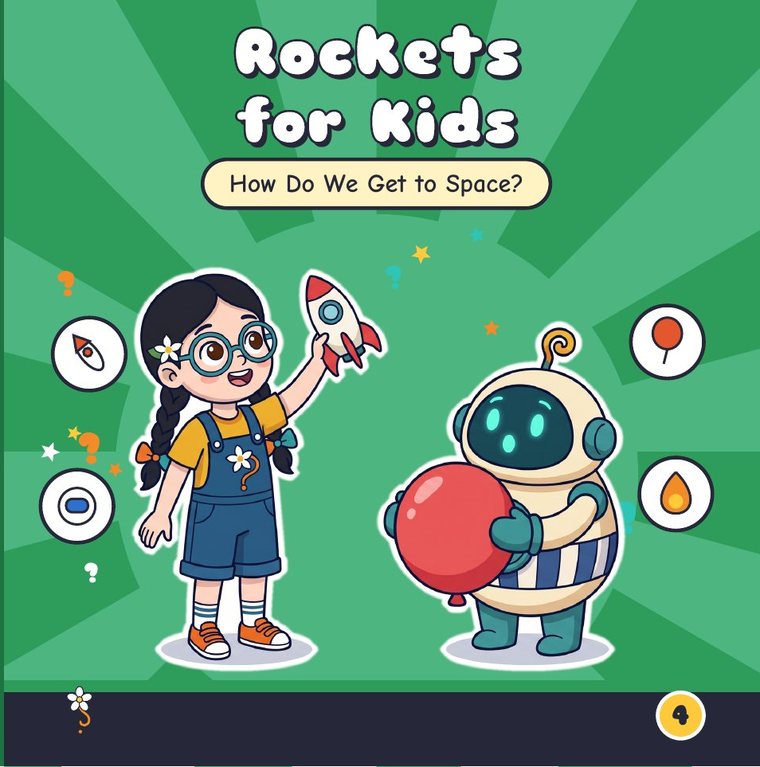
Rockets for Kids
The balloon rocket
You need: Balloon, straw, string, tape
How it works
- Thread the string through the straw and stretch it across the room.
- Tape the inflated (pinched) balloon to the straw.
- Let go – and watch it zoom!
Why? The air rushes backward – the balloon is pushed forward. Just like a rocket.
⚠ A grown-up inflates the balloon. Don’t play with burst balloon pieces – choking hazard.
Learn more →
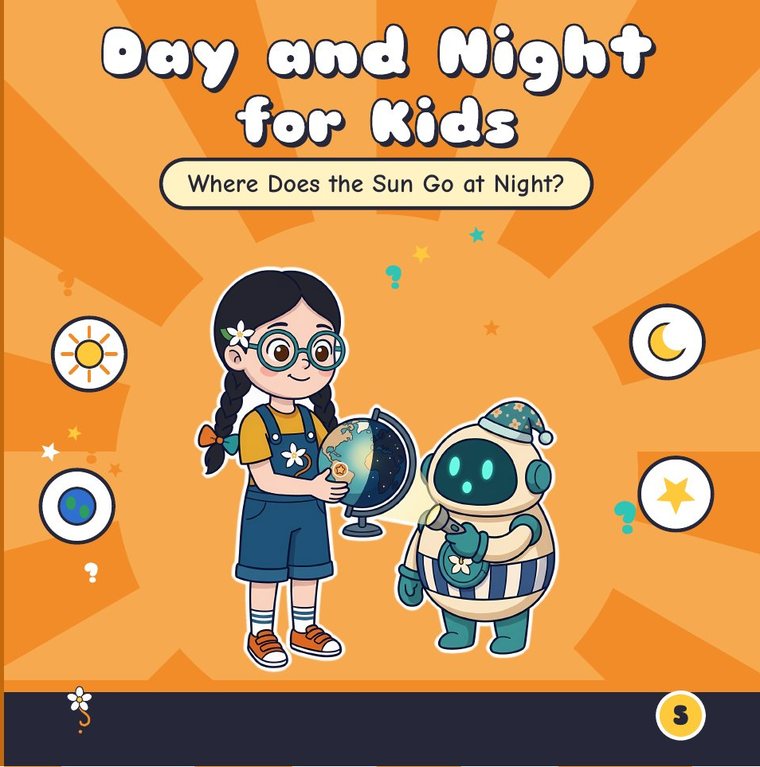
Day and Night for Kids
Shadow clock
You need: A stick, chalk, a sunny day
How it works
- Stand the stick outside in the ground (or a flowerpot).
- Trace its shadow with chalk every hour.
- Where does the shadow move? When is it shortest?
Why? The Earth spins – so the Sun seems to move, and the shadow moves with it.
⚠ Never look directly at the Sun.
Learn more →
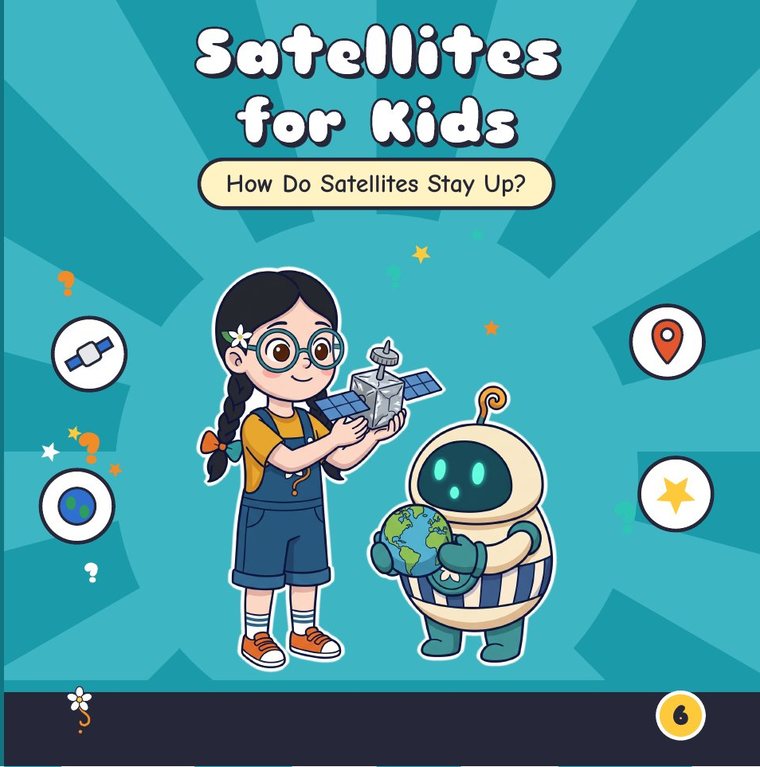
Satellites for Kids
The ball on a string
You need: A soft ball in a sock, a string
How it works
- Tie the string to the sock with the ball.
- Spin it slowly in a circle outside – with plenty of space around.
- What happens when you spin faster or slower?
Why? Like the string, gravity pulls the satellite – it flies sideways and keeps falling around the Earth.
⚠ Outdoors only, far from other people and windows.
Learn more →
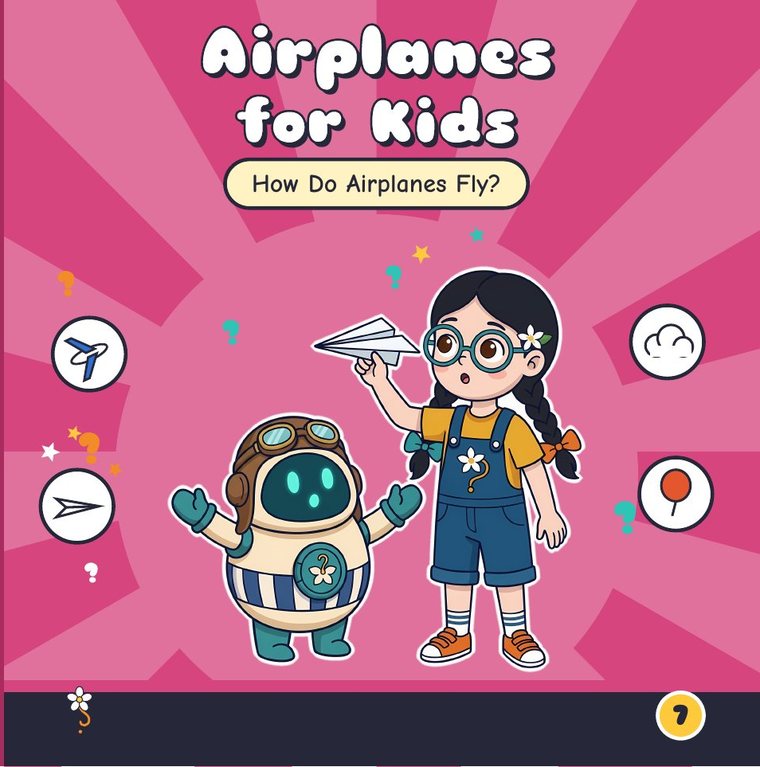
Airplanes for Kids
The paper-plane test
You need: 2 sheets of paper, a paper clip
How it works
- Fold two identical paper planes.
- Clip a paper clip to the nose of one.
- Throw both equally hard. Which flies farther?
Why? More weight means the wings must carry more. A plane must be light and well shaped.
⚠ Never throw toward people or animals.
Learn more →